
How to Lose 30 Pounds in a Month: Start With the Honest Math
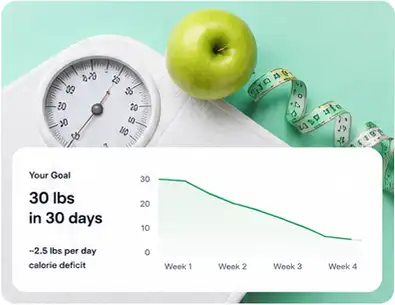
Most people who search for how to lose 30 pounds in a month are not looking for a slogan. They want a straight answer: what can be changed in 30 days, what is actually fat loss, and what is just the scale reacting to water, sodium, food volume, and glycogen. Thirty pounds in 30 days means an average drop of 1 pound per day. For body fat alone, that would require a deficit so large that it would usually mean extreme restriction, hours of daily exercise, or a medically managed very low-calorie diet. That is not a normal home plan.
A safer way to treat the goal is this: use the month to create the strongest sustainable calorie deficit you can manage without starving, losing muscle, skipping nutrients, or ignoring red flags. For many adults, a realistic first month is closer to 4-10 pounds of fat loss, sometimes more on the scale if starting weight is high and carbohydrate, sodium, and ultra-processed food intake drop sharply. A person with obesity may see a bigger first-week shift than someone already near a healthy weight, but that does not make the same target right for everyone.
Bottom line: losing 30 pounds in a month should be treated as a medical conversation, not a casual challenge. A strong plan can help you reduce weight, waist size, hunger swings, and daily calories, but the safest target is based on your current body, health conditions, medications, activity level, and history with dieting.
What a 30-Day Calorie Deficit Can and Cannot Do
Weight loss happens when your body uses more energy than you consume. That part is simple. The hard part is that metabolism adapts, hunger changes, water shifts, and the same calorie deficit does not produce the same result in every person. A daily deficit of 500 calories often leads to roughly 1/2 to 1 pound per week for many people, while 750-1,000 calories per day can move faster but is harder to maintain and easier to overdo. Bigger deficits may be used in clinical care, but they need monitoring.
To lose 30 pounds of pure fat in one month, the old 3,500-calorie-per-pound shortcut would imply about 105,000 calories across 30 days, or about 3,500 calories per day. That number alone explains why the goal is outside the usual range. Most adults do not even burn enough total calories per day to remove that much safely while still eating enough protein, fiber, vitamins, minerals, and essential fats.
| 30-Day Scenario | What Usually Changes | Practical Expectation |
|---|---|---|
| Moderate deficit | 500-750 fewer calories per day plus walking | About 2-6 pounds, sometimes more at higher weight |
| Aggressive home plan | High protein, planned meals, daily steps, lifting | Often 6-12 pounds on the scale if adherence is strong |
| Medical low-calorie care | Clinician-led calorie target and lab monitoring | Can be faster, but it is not a do-it-yourself diet |
The useful question is not "How little can I eat?" It is "What is the largest deficit I can repeat while still sleeping, training, working, and thinking clearly?" If your plan makes you dizzy, cold, obsessive, unable to train, or unable to stop thinking about food, it is not a better plan. It is a warning that the deficit is too steep for your body right now.
Here is the key filter: if a plan cannot explain which calories are coming out, which foods are staying in, and how you will keep protein, fiber, and training while eating less, it is not a plan. Quick weight loss tips online often skip factors such as sleep debt, stress, medications, menstrual cycles, alcohol, and job schedule. Our bodies don't all reduce at the same rate, so keeping a written side view of intake, steps, and symptoms matters more than chasing the best-looking number.
If you're comparing a new approach, give it enough time to show a trend. Do not judge it after 16, 24, or 45 hours, or after one difficult hour at night when cravings feel loud. Watch seven-day weight averages, hunger levels, bathroom regularity, training quality, and overall mood. If you're getting run down, losing strength quickly, or making choices that lead to rebound eating, the deficit is too steep.
We've found the most useful question is not whether more restriction is possible, but whether you'll still be able to work, sleep, train, and eat normally after the month. That mindset gives you a way to reach goals without turning the journey into a cycle where you gain weight back and start over.
A significant lifestyle change should make the next week safer, not just stricter; use basic feedback, including energy and training quality, to ensure the plan can continue longer than the first burst of motivation.
30-Day Weight Loss Calculator
Use this calculator to estimate maintenance calories, compare common calorie deficits, and see why a 30-pound target in one month usually requires medical oversight. The numbers are estimates, not a diagnosis or a prescription.
A 500-1,000 calorie daily deficit is already aggressive for many people. If the estimate says your target calories would be very low, bring the plan to a clinician or registered dietitian before changing intake.
A Four-Week Plan That Pushes Progress Without Crash Dieting
The goal of the first month is to build a repeatable routine. You want fewer calories, more protein, more fiber, more steps, structured strength training, and enough recovery to keep lean mass. The plan below is intentionally specific, but it is not a prescription. If you have diabetes, kidney disease, heart disease, gallbladder problems, a history of an eating disorder, are pregnant, are breastfeeding, or take medication affected by food intake, bring the plan to a health care professional first.
Week 1
Set the Baseline- Track food for 7 days
- Remove sugary drinks
- Walk after 2 meals
- Weigh 3-4 mornings
Week 2
Build the Deficit- Plan 3 protein meals
- Lift 3 days weekly
- Add 2,000 daily steps
- Keep snacks measured
Week 3
Tighten the Details- Review calorie average
- Raise fiber gradually
- Limit restaurant meals
- Keep sleep consistent
Week 4
Protect the Result- Compare weekly average
- Deload if exhausted
- Plan maintenance meals
- Set next 30-day goal
Week 1 is not wasted because it is not dramatic. It gives you data. Many people eat far more than they think from oils, sauces, handful snacks, coffee drinks, alcohol, takeout portions, and "healthy" foods that are calorie dense. A written food log also shows whether hunger is physical, emotional, routine-based, or caused by poor meal timing. That is the kind of detail that makes fat loss less random.
A Daily Meal Framework for Lower Calories and Better Hunger Control
A useful weight loss meal plan has three jobs: keep calories lower than your usual intake, keep protein high enough to protect muscle, and keep food volume high enough that you can function. For most adults, that means building meals around lean protein, vegetables, fruit, beans, lentils, potatoes, oats, yogurt, eggs, seafood, poultry, tofu, and whole grains. The plan should reduce added sugar, fried foods, liquid calories, and heavily processed snacks without turning the month into punishment.
Do not copy a 1,200-calorie plan just because it looks clean. Some smaller adults may lose weight around that level, while many men, taller women, active people, and people with higher body mass may need more calories to train, work, and keep muscle. A better starting point is to estimate your current maintenance calories, subtract a measured amount, and adjust after two weeks using your scale trend and waist measurement.
| Meal | Concrete Example |
|---|---|
| Breakfast | Greek yogurt, berries, chia, and 2 eggs or egg whites |
| Lunch | Chicken, turkey, tofu, or beans with a large salad and potatoes |
| Snack | Fruit with cottage cheese, protein shake, or measured nuts |
| Dinner | Salmon, lean beef, lentils, or tempeh with vegetables and rice |
| Drinks | Water, unsweetened tea, black coffee, or zero-calorie sparkling water |
Protein does not need to become a personality. It does need to appear in each meal. The basic adult RDA is 0.8 grams per kilogram of body weight, but many people dieting and lifting do better with more than the minimum, especially if the goal is to preserve lean mass while losing fat. If you have kidney disease or have been told to limit protein, follow your clinician's advice instead of a generic internet target.
Fiber is the quiet part of the plan. Vegetables, fruit, oats, beans, lentils, and whole grains add volume and slow digestion. Increase fiber gradually, because going from almost none to a lot in one day can cause bloating. The same goes for water. Daily fluid needs vary by body size, heat, sweat, sodium intake, and exercise. Thirst, urine color, and training performance are more useful than forcing a fixed gallon for everyone.
Good food choices include fruits, vegetables, beans, lentils, potatoes, seafood, eggs, yogurt, and other whole foods with nutrition content you can understand. Both dietary quality and calories matter. However, any menu can fail if portions drift upward, so monitor oils, nuts, sauces, and additional bites while cooking. Small changes, such as 15 minutes of walking after dinner or swapping a sweet drink for water, can create extra room in the day without making meals feel tiny.
Training for Fat Loss: Strength, Cardio, Steps, and Recovery
Exercise helps with weight loss, but it is not a license to ignore food intake. A hard workout can be erased by one oversized restaurant meal. The better strategy is to use training to raise energy expenditure, maintain muscle, improve insulin sensitivity, reduce stress, and make the next month easier. Start with what your joints and schedule can handle, then increase minutes, steps, or intensity slowly.
Walking
7,000-10,000 steps
build from baseline
Intervals
1-2 short sessions
only if recovered
Strength
2-4 days weekly
full-body focus
Recovery
7+ hours sleep
lower injury risk
A simple weekly layout works well: strength training on Monday, Wednesday, and Friday; brisk walking or cycling on Tuesday, Thursday, and Saturday; easy walking on Sunday. Strength sessions can use squats or leg press, hinges or hip thrusts, rows, presses, pulldowns, carries, and core work. Keep 1-3 reps in reserve on most sets. You do not need to destroy your body to change it.
Cardio should match your current level. If you have not trained in months, 20-30 minutes of brisk walking is more useful than a brutal HIIT session that leaves you sore for four days. If you are already active, work toward 150-300 minutes of moderate activity per week, plus two or more days of muscle-strengthening activity. More can help, but only if it does not increase hunger, stress, and injury faster than it increases calorie burn.
Do not add an extra hour of cardio just because the scale is slow for those few days. Add movement through daily activities first: walking calls, parking farther away, taking stairs, carrying groceries, or doing short mobility exercises between work blocks. These are not magic, but they are effective because they raise expenditure without turning every workout into a test.
Daily Controls That Move the Scale Without Turning Life Into a Diet
The people who make the most progress usually do a few boring things very well. They keep meals repeatable, they know their calorie average, they walk more than before, they sleep enough to manage cravings, and they do not restart the plan every Monday. These controls matter because weight loss is not decided by one perfect day. It is decided by the average of many days.
Track Intake
Log portions before eating, not after guessing
Drink Smart
Cut liquid calories before cutting real food
Use Averages
Compare weekly weight, not one noisy morning
Protect Sleep
Short sleep makes hunger harder to manage
Weigh yourself under the same conditions: morning, after the bathroom, before food or drink. Use a 7-day average if daily changes make you anxious. A salty dinner, sore legs from lifting, constipation, a menstrual cycle shift, or a late meal can hide fat loss for several days. Waist measurement, progress photos, gym performance, and how clothes fit give context the scale cannot.
What to Track for the First 30 Days
Tracking is not about judgment. It is about feedback. If the scale does not move for two weeks, you need to know whether calories were higher than planned, steps fell, restaurant meals increased, sleep dropped, or stress changed. Without tracking, people usually cut more food first. Often the better fix is simpler: tighten portions, restore walking, increase protein at breakfast, or stop drinking calories.
When setting goals, aim for evidence you can use: fewer high-calorie drinks, more steps, better meal timing, and workouts you can repeat. Learn from the days that go badly instead of labeling them failures. Support comes from adjusting the environment: keep snack foods less visible, prepare protein in advance, and plan for social meals before hunger is high.
| Metric | How Often | Why It Matters |
|---|---|---|
| Body weight average | 3-7 mornings weekly | Shows the trend behind normal water swings |
| Waist measurement | Once weekly | Tracks fat loss even when scale weight stalls |
| Calories and protein | Daily during the first month | Confirms the deficit and protects muscle |
| Steps and workouts | Daily notes | Shows whether activity is actually increasing |
Risks, Red Flags, and Who Should Not Push for Rapid Loss
Fast weight loss is not only a willpower issue. Rapid dieting can increase the risk of gallstones, dehydration, constipation, fatigue, headaches, irritability, binge-restrict cycles, menstrual changes, muscle loss, and poor training recovery. The risk rises when calories drop too low, fat intake is nearly eliminated, protein is too low, or exercise jumps from nothing to daily high intensity.
Stop and speak with a clinician if you have chest pain, fainting, repeated dizziness, heart palpitations, severe abdominal pain, confusion, persistent vomiting, blackouts, or signs of dehydration. Also get professional guidance before attempting an aggressive deficit if you use insulin or sulfonylureas, take blood pressure medication, have kidney disease, have gallstones, have had bariatric surgery, are under 18, are pregnant or breastfeeding, or have a current or past eating disorder.
Very low-calorie diets are a separate category. They can be used for some people with obesity under medical supervision, often with meal replacements, lab checks, medication review, and a refeeding plan. They are not the same as skipping meals at home, living on coffee, or trying to burn off every calorie with cardio. If your goal requires a medically supervised level of restriction, let it be medically supervised.
If you are already in obesity treatment, using weight-loss medication, or working with health services, ask before changing calories. A registered dietitian can help set a caloric target, include the right exercises and daily activities, and adjust effectively when appetite or energy changes. A program should be able to explain its risks, not only its results. If you saved an old plan from 2024 or a random .com calculator, use it only as a starting estimate because your current weight, schedule, and activity are what matter now.
How to Keep Weight Off After the Month Ends
The month after weight loss matters as much as the month of weight loss. If you go straight back to the same food environment, sleep schedule, and activity level, regain becomes likely. A better exit plan is to raise calories gradually, keep protein steady, keep strength training, hold a step minimum, and continue weekly weigh-ins. This is where many people protect the first 10 pounds instead of chasing the next 20 too aggressively.
Set a maintenance range instead of a single number. For example, if your weekly average reaches 196 pounds, you might hold 196-200 for two weeks while practicing normal meals, social eating, and workouts. That teaches the body and brain that weight loss is not a temporary emergency. Long-term success usually comes from fewer dramatic rules and more repeatable defaults: protein at breakfast, vegetables at lunch and dinner, planned snacks, regular walking, and a bedtime you can actually keep.
Frequently Asked Questions About Losing 30 Pounds in a Month
Can you lose 30 pounds in a month without medical supervision?
Most people should not try to force that result alone. A large first-month scale drop can happen in people with a high starting weight, but 30 pounds in 30 days is far beyond typical fat-loss recommendations. Treat it as a reason to speak with a health care professional, especially if the plan requires very low calories.
What is the fastest safer way to start losing weight?
Start with the highest-impact basics: remove liquid calories, plan protein at each meal, eat high-volume foods like vegetables and fruit, walk daily, lift weights two or more times per week, and track calories honestly for at least 14 days. Then adjust from data rather than panic.
Why did I lose 6 pounds in week one and nothing in week two?
The first week often includes water and glycogen loss, especially if carbohydrate intake, sodium, and restaurant food drop. Week two may look flat because of sore muscles, stress, constipation, hormones, or normal water retention. Compare weekly averages and waist measurements before cutting more food.
How many calories should I eat to lose weight this month?
There is no single number for everyone. Body size, sex, age, activity, medical conditions, and training load all matter. A common starting point is a measured 500-750 calorie daily deficit from maintenance, then adjusting after two weeks. Diets around 800 calories or fewer belong under professional guidance.